
The Complete Guide to Painting Stucco: Tools, Steps & Pro Tips
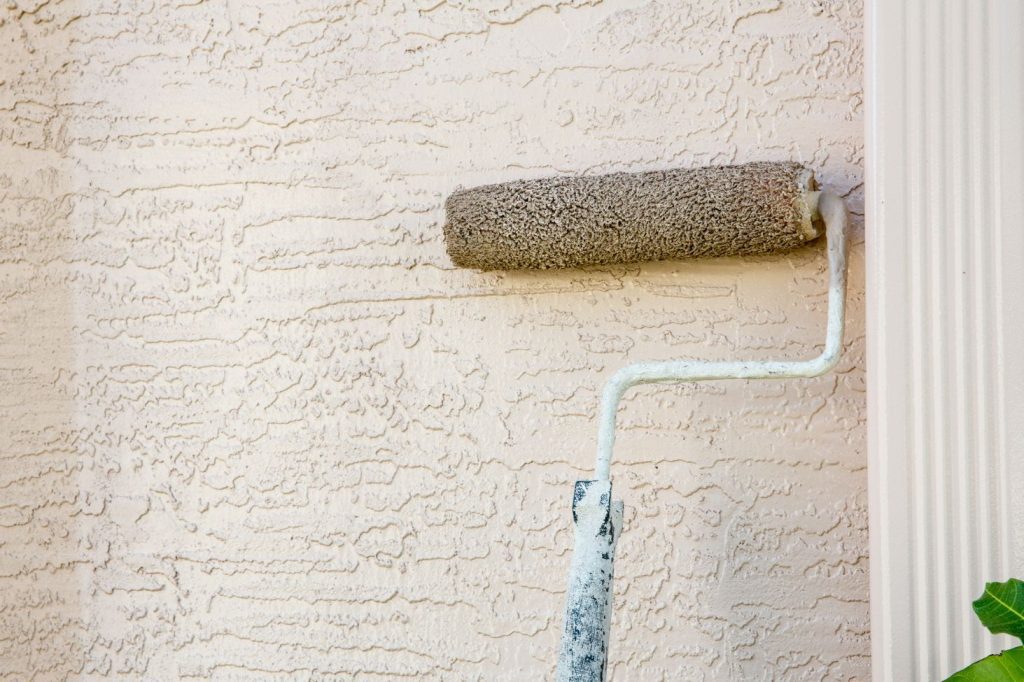
Thinking about giving your home a refresh? If you have a stucco exterior, you might be wondering whether it can be painted — and the answer is yes. While stucco can be trickier than other surfaces, with the right prep and materials, exterior painting on stucco can completely transform your home’s look and boost curb appeal. In this guide, the exterior painting pros at Grade A Painters break down everything you need to know — from cleaning and repairs to the best tools, techniques, and paints for long-lasting results.
Can You Paint Stucco? (Intro + Surface Overview)
Yes, you absolutely can paint stucco, and in many cases, you should. While some homeowners assume stucco lasts forever without maintenance, that’s a myth. Like any other exterior surface, stucco exterior paint fades, weathers, and wears down over time. Whether you’re refreshing curb appeal or protecting your home from moisture, painting a stucco house can go a long way.
Before diving in, it’s important to understand what type of stucco you’re working with. There are two main types: traditional stucco and synthetic stucco, also known as EIFS stucco (Exterior Insulation and Finish System). Traditional stucco is a mix of cement, sand, lime, and water; it’s durable and breathable. EIFS, on the other hand, is a layered system with foam insulation underneath and a softer acrylic-based finish. It’s more prone to damage but tends to hold its color longer.
Not sure which one you have? Try the knock test; if the wall sounds hollow, it’s likely EIFS. If it sounds solid, you’re probably working with traditional stucco.
So, does stucco need painting? The answer is yes if you notice fading pigment, water stains, hairline cracks, or signs of mold and mildew. UV exposure and moisture over time can degrade the surface, making stucco exterior paint not just cosmetic — but protective.
Painting stucco correctly not only revives your home’s look but helps seal out moisture and prevent further damage. In the sections below, we’ll walk you through the full process: prepping, priming, painting, and more.
How to Prep Stucco for Painting
Proper prep is everything when it comes to painting stucco. If you skip steps here, even the best paint won’t last. Stucco is textured, porous, and often cracked; so surface prep takes more time and care than other materials. Here’s exactly how to prep stucco for paint to ensure long-lasting results.
Start with a deep stucco cleaning. The best way to do this is to pressure wash the stucco using a wide-angle or rotating nozzle to loosen dirt, grime, and any chalky residue. Don’t hold the sprayer too close — you want to clean, not damage the surface. Once washed, let the stucco dry fully. This could take 24–48 hours depending on the weather. One of the most common mistakes is priming too early, paint or primer won’t adhere if the stucco is still damp inside.
Fixing Cracks and Problem Areas
Once clean and dry, it’s time to repair stucco cracks. Use a putty knife to scrape out any loose material. For small to medium cracks, use acrylic caulk or a patching compound designed for stucco. Deep cracks may require a stucco repair kit to match the texture.
Here’s a pro tip from Paint Life: don’t just smear caulk over cracks. Take your time. Use a wet sponge or old brush to blend the caulk into the stucco finish. If you leave a smooth line across a textured wall, it’ll stand out once painted, and it’s hard to fix afterward.
Also, check for mildew or efflorescence (white, chalky residue). If you spot any, clean those areas again with a mold/mildew remover or a stucco-safe solution before painting.
Essential Tools for Stucco Prep:
-
Pressure washer (or garden hose with strong nozzle)
-
Putty knife
-
Acrylic caulk or elastomeric stucco patch
-
Stucco patching compound
-
Sponge and stiff-bristle brush
-
Drop cloths and masking tape
Whether you’re doing the job yourself or hiring a professional, taking the time to properly pressure wash, patch, and prep will make all the difference in your paint job’s durability.
Priming Stucco Properly
Once your stucco is cleaned and repaired, the next step in your stucco preparation is priming. This step is not optional — if your stucco is unpainted, recently patched, or showing signs of wear, a good stucco primer is essential for long-term adhesion and protection.
Skipping primer can lead to uneven paint absorption, poor coverage, and premature peeling. When done right, priming creates a sealed, uniform surface that helps the paint bond more effectively and last longer.
What Primer Should You Use on Stucco?
The best choice is a masonry primer or acrylic bonding primer made for porous surfaces like stucco. These primers are designed to soak in and grip onto rough textures, creating a tight bond that resists moisture, cracking, and flaking.
One top performer to consider is Benjamin Moore’s Fresh Start® High-Hiding All Purpose Primer. It’s often recommended in professional guides for its excellent adhesion, coverage, and compatibility with most exterior paints.
How to Prime Stucco Like a Pro:
Use a 3/4 inch nap roller for medium to heavy textures. For very rough stucco, go up to a 1 inch nap.
Use a synthetic brush for cutting in corners and edges.
A sprayer can also be used, especially for large areas — just make sure to back roll the primer to work it into all the crevices.
Let the primer fully dry before applying any paint. Always follow the manufacturer’s recommended dry time — typically 4–6 hours, but this can vary with weather conditions.
Nap Size Guide:
Smooth stucco: 1/2″ nap roller
Medium texture: 3/4″ nap roller
Rough or heavy stucco: 1″ nap roller
Taking the time to choose the right primer and apply it correctly is one of the most important steps in any stucco painting job. It sets the foundation for a smooth, even, and durable finish, and helps your exterior paint job stand up to Vancouver’s ever-changing weather.
Choosing the Right Paint for Stucco
Picking the best paint for stucco is more than just grabbing a can of exterior paint — it’s about finding the right balance between durability, breathability, and finish. Stucco is a unique surface that expands, contracts, and breathes, so the paint you choose needs to work with those natural movements, not against them.
Two of the most commonly used coatings are acrylic latex paint and elastomeric paint, each with different benefits and ideal use cases.

Acrylic Latex vs. Elastomeric Paint: What’s the Difference?
Acrylic Latex Paint
This is the go-to choice for most exterior stucco jobs. It’s a breathable exterior paint, meaning it allows moisture to escape from behind the surface — a must for older homes or damp climates like Vancouver. It also adheres well, resists fading, and is easy to touch up or repaint in the future.
Elastomeric Paint
Thicker and more flexible, elastomeric paint creates a waterproof seal and can bridge over hairline cracks. It’s great for added protection and long-term durability, especially in areas prone to wind-driven rain. But here’s the catch — elastomerics don’t breathe well, and they tend to fade faster than high-end acrylics. Also, you can’t paint over elastomeric with standard acrylic — you’ll need to stick with the same product for future coats.
Pro Tip: If you want added waterproofing without committing to full elastomeric, many pros recommend using a paint additive like Rustoleum Okon Paint Booster. It improves water resistance while still letting you use a breathable, color-retaining acrylic.
Sheen Matters: Flat, Satin, or Gloss?
Most professionals recommend using a flat paint for stucco. Why? It helps mask surface imperfections, maintains that classic stucco texture, and reflects light evenly across rough surfaces. Satin or semi-gloss finishes offer slightly more protection and may be considered in areas with frequent rain or moisture exposure — but they can highlight flaws and create an unnatural sheen on stucco.
Best Practice:
Unless you need extra protection in problem areas, stick with a high-end flat acrylic latex paint. It gives you the ideal combo of performance, breathability, and aesthetic.
How to Paint Stucco (Step-by-Step Application)
Now that your stucco is prepped and primed, it’s time to get rolling — literally. Stucco is a highly textured, porous surface, so knowing how to paint stucco correctly is key to getting full coverage and a lasting finish. Whether you’re spraying, rolling, or using both, the method you choose will affect how well the paint adheres and how even the result looks.
Step 1: Choose Your Application Method
There are three common ways to paint stucco: rolling, spraying, or a combination of both.
Rolling is great for control and coverage, especially when using a 3/4 inch roller or even a 1” nap for rougher textures. But it can be slow on larger surfaces.
Spraying is much faster and ideal for large areas, but you’ll need to back-roll that first coat to ensure the paint is worked into the crevices.
Back rolling stucco after spraying helps eliminate pinholes and boosts adhesion — it’s especially important on the first coat for previously unpainted or heavily textured walls.
Tool Tips:
Use a 517 sprayer tip for regular paint
Use a 619 sprayer tip for elastomeric coatings
Match your roller nap to the texture: 3/4” for medium texture, 1” for heavy
Step 2: Work in Small Sections and Multiple Directions
Stucco has countless angles and rough edges, so don’t rush it. Always spray paint stucco in small sections and immediately follow with a roller if you’re back rolling. This keeps a wet edge and avoids lap marks, one of the most common DIY mistakes.
Spray from different angles: top-down, left-right, and straight-on. This ensures paint hits all the grooves and valleys in the stucco. On textured walls, missed spots won’t always be obvious until the light shifts, so recheck from multiple viewpoints once dry.
If you’re working solo and don’t have time to spray and back-roll simultaneously, consider using an inner-feed roller (like the Titan system), which connects to your airless sprayer and lets you paint and roll at the same time. This can save time while still pushing the paint into the surface.
Step 3: Account for Extra Paint Consumption
Be prepared; painting textured walls like stucco takes significantly more paint than smoother surfaces. You’ll often need twice the paint to achieve proper coverage. Plan your material estimates accordingly, especially if you’re changing the wall color completely or covering older, faded stucco.
Drying Time, Recoating & Maintenance
Once your first coat is on, the job isn’t done just yet. Understanding stucco paint drying time and knowing how long between coats to wait can make or break your final result. Rushing the recoating process or exposing wet paint to weather too soon can lead to blotchy areas, peeling, or uneven sheen.
How Long Should You Wait Between Coats?
As a general rule, most exterior paints need at least 4–6 hours to dry between coats — but that’s under ideal conditions. On rough or porous stucco, or in humid weather, you may need to wait longer. Always follow the manufacturer’s drying time, and when in doubt, wait a full day.
If you’re unsure whether a second coat is needed, look for:
Patchy or uneven finish
Color variation
Visible texture through the paint
Pro Tip: For rougher stucco or major color changes, plan on two full coats. On smoother stucco, lightly sanding between coats can help give you a cleaner, more even finish.
Curing, Weather & Long-Term Care
Once your final coat is on, don’t rush to hang up decorations or spray it down. Curing paint on stucco can take up to two weeks depending on weather and product type. Avoid pressure washing, taping, or heavy contact during this time.
As for exterior paint maintenance, stucco is low-maintenance but not no-maintenance. To extend the life of your paint job:
Wash the surface annually with a garden hose or soft brush
Inspect for cracks or mildew regularly
Touch up any damaged or high-wear areas with matching paint
So, how long does stucco paint last? With proper prep and application, a high-quality exterior paint can last 10–15 years on stucco. Elastomeric coatings may stretch this further, while cheaper paints or poor prep can cut that lifespan in half.
If you want the job done right the first time, with no cut corners, missed cracks, or streaky results, leave it to the pros at Grade A Painters.
Share This Post
Ready for a Curb Appeal Upgrade?
Thinking about exterior painting? We’re happy to answer any questions or help you plan your next steps. Reach out anytime.
Email Us
Call Us