
How Long Does Interior House Painting Take?
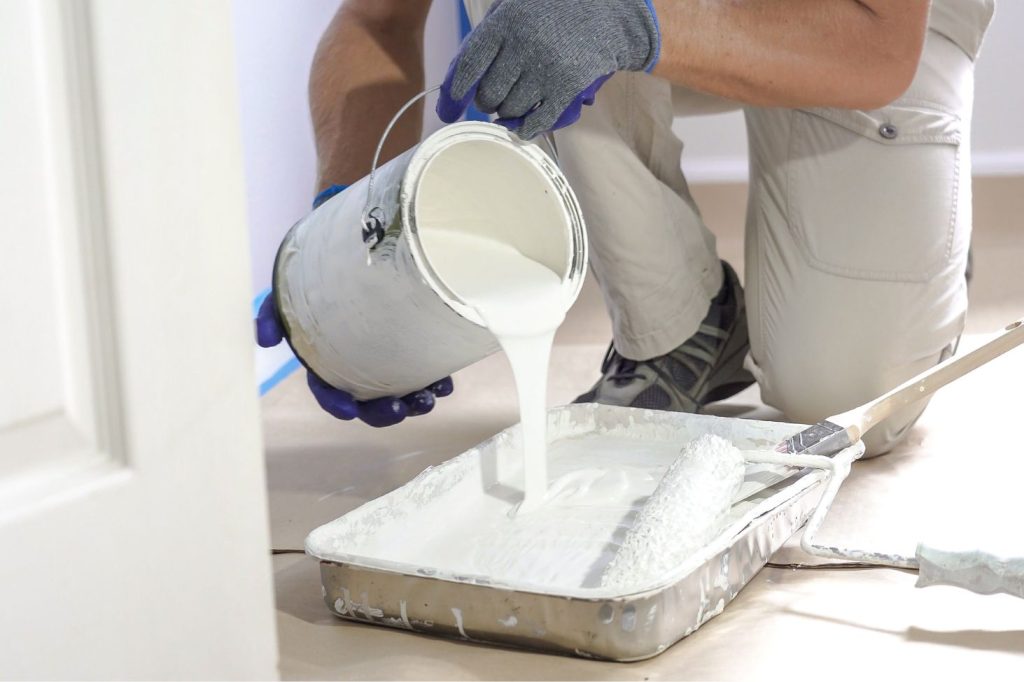
Painting the interior of a house can take anywhere from a few days to over a week, depending on the size of the home, the condition of the walls, and whether you’re hiring interior painting professionals or doing it yourself. Knowing what to expect helps you plan around furniture, daily routines, and drying times. In this guide, we’ll break down everything from room-by-room timelines to key factors that speed up, or slow down, your project.
Average Interior Painting Timelines (Professional Crews Only)
| Project Type | Estimated Time | Notes |
|---|---|---|
| Single Room | 6–8 hours | Includes prep, cutting in, two coats, and cleanup |
| Small Home (1,500–2,000 sq ft) | 4–6 days | Full repaint with 2 coats, basic trim, and standard drying times |
| Medium Home (2,000–2,500 sq ft) | 5–7 days | Includes multiple bedrooms, ceilings, trim, and some minor repairs |
| Large Home (2,500+ sq ft) | 6–9 days | More rooms, taller walls, additional coats, and surface complexity |
Key Factors That Determine Your Timeline
How long it takes to paint the interior of a house depends on a range of factors, some of which homeowners overlook until the job is underway. Understanding these variables ahead of time can help you set realistic expectations, plan your schedule, and avoid unnecessary delays.
1. House Size and Number of Rooms
The square footage of your home is one of the most important factors. A smaller home with two or three rooms may be completed in just a few days, while a larger 2,500+ sq ft home with multiple floors could take a full week or more. Naturally, more rooms mean more surface area to prep, cut in, roll, and touch up.
2. Wall Height, Trim, and Ceiling Complexity
Homes with high ceilings, bulkheads, crown molding, or extensive interior trim work will take longer to complete. Painting a basic square room with flat walls is quick—but when you add detailed baseboards, built-ins, or tricky cabinet surfaces, you increase both the prep and paint time. These elements slow things down because they require precision and often need to be cut in with a brush rather than rolled.
3. Wall Condition and Existing Paint
Wall damage like holes, dents, or peeling paint needs to be repaired before painting can begin. This prep work, including patching, sanding, and sometimes priming… adds hours or even days to the job, depending on how much needs fixing. The type of existing paint matters too. If you’re painting over a dark color or a glossy finish, you’ll often need an additional coat or two for full coverage, which extends your timeline.
4. Type of Paint and Number of Coats
Not all paints are created equal. Latex (water-based) paints typically dry faster than oil-based ones, often within 1–4 hours between coats. Oil-based paints may take 8 hours or longer to dry, which adds to your total project time. Bold color changes and lower-quality paints often require more than the standard two coats, especially if full coverage is a priority.
5. DIY vs. Professional Painting
Who’s doing the painting can dramatically affect your timeline. A single DIYer working after hours or on weekends may take several days per room, especially if they’re learning as they go. On the other hand, a professional crew can often finish an entire home in 2–5 business days, thanks to experience, better tools, and a more efficient workflow.
6. Cost vs. Speed Trade-Off
Faster doesn’t always mean cheaper. Hiring a larger professional crew can shorten the job to just a few days, but it comes with higher upfront costs. Conversely, going the DIY route may save money—but expect the process to take much longer, and possibly require touch-ups or corrections later. The best choice depends on your timeline, budget, and standards for quality.
Step-by-Step Timeline: Prep to Finish
To help you plan your interior painting project, here’s a detailed breakdown from prep work to cleanup, with time estimates for each stage:
Furniture removal and surface cleaning (0.5–1 day)
This phase typically takes half a day to a full day, depending on how much furniture is in the space and how dirty the walls are. If you’re painting multiple rooms or working around heavy items, expect the prep work to take longer.
Taping, sanding, and priming
Taping and sanding each room can add a few hours per space, especially if walls have cracks or peeling paint. Applying primer across all surfaces, especially in rooms with darker walls, can add another full day depending on drying time and room count.
Cutting in
Cutting in usually adds around two hours to each room, and this step can’t be rushed. More detailed spaces like kitchens or trim-heavy rooms often take longer. If the job involves multiple colors or accent walls, this step stretches even further.
Rolling coats (1–3 hours per coat depending on room size)
Each coat of paint can take one to three hours depending on the size of the room and whether you’re using rollers or sprayers. Smaller rooms might be done quickly, but larger living areas, open layouts, or vaulted ceilings add more time. Since most walls need two coats, double this estimate when planning your project.
Drying between coats
This is one of the biggest timeline variables. Latex paints typically require 1 to 4 hours of drying between coats, while oil-based paint needs 8 hours or more. Darker colors and humid environments may push these times further, so it’s not just about painting—it’s about waiting, too.
Cleanup and putting furniture back
Once the final coat is dry, cleanup generally takes a few hours. If you’re painting the entire house, this could stretch into a full day, especially if there’s a lot of tape to remove, tools to clean, and furniture to reposition.
Post-paint usage and drying time
It’s usually safe to sleep in a freshly painted room within 24 hours, especially with good airflow. However, oil-based paints or high-VOC products may need longer ventilation. Using fans and keeping windows open can speed up the drying process. If you’re trying to move back into a fully painted home quickly, this final stage should be factored into the schedule.
While the total project time varies based on home size and paint type, understanding these stage-by-stage time estimates can help you avoid delays and plan your interior painting with confidence.
Typical Timeframes: Room by Room
Understanding how long it takes to paint different areas of your home helps you plan realistically and avoid surprises. Below are detailed room-by-room painting estimates based on what professional crews typically see on real jobs. These timeframes include prep, two coats of paint, drying between coats, and cleanup.
A small bedroom typically takes 5 to 6 hours to paint from start to finish.
This includes moving furniture, taping edges, sanding any imperfections, cutting in around windows and trim, rolling on two coats, and doing a basic cleanup. If trim and baseboard painting is part of the scope, it may add an extra hour or two.
A bathroom usually takes 4 to 6 hours to paint completely.
Even though bathrooms have less wall space, they often require more prep due to moisture-resistant surfaces, tile edges, and tight corners. Bathroom painting time also includes taping around fixtures and mirrors, cutting in carefully, and allowing extra drying time in humid conditions.
A kitchen generally takes 6 to 8 hours to paint thoroughly.
There’s less open wall space, but painting a kitchen is time-consuming due to cabinets, appliances, backsplashes, and multiple outlets. If you’re wondering how long to paint a kitchen, remember that cutting around these elements and adding trim work significantly increases the total time.
A living room with crown molding or vaulted ceilings often takes 8 hours or more to finish.
Higher ceilings and decorative trim require ladders, precision brushwork, and extended drying time between coats. Large living spaces also involve more square footage, which means more rolling and cutting in.
A full interior repaint of a 1,500 to 2,500 square foot home typically takes 3 to 10 days.
This estimate depends on the number of rooms, wall condition, surface complexity, and whether the painting includes ceilings, trim, closets, or accent walls. Larger homes with multiple colors or detailed finishes lean toward the higher end of this range.
These room-by-room painting estimates give you a clear idea of what to expect, whether you’re hiring professionals or trying to plan around your schedule. Every space is different, but timelines like these help you understand the average workload for a standard interior repaint.
How Paint Type & Number of Coats Affect Time
The type of paint you choose and how many layers are needed can make a big difference in how long your interior painting project takes. Many homeowners focus on square footage and room size, but paint chemistry and finish often have just as much impact on your overall timeline.
Latex Paint Dries Fast — But Still Needs Time
Most homeowners opt for latex paint because of its quick turnaround. The latex drying time between coats is usually just 1 to 4 hours, which means professional painters can often apply two coats in a single day. However, even though it dries fast, skipping the proper drying time between coats can lead to uneven coverage or premature peeling.
Oil-Based Paint Slows Everything Down
If you’re using oil-based paint, expect much longer drying times. Each coat can take 8 hours or more to fully dry. This means even a small room could stretch across two days or more if multiple coats are needed. Oil-based products are often used for trim, doors, or high-touch surfaces, but the trade-off is a longer interior painting timeline overall.
Dark Colors and Big Color Changes Take More Coats
Choosing a bold or dark paint color? Be ready for extra time. Dark color coats typically need 3 to 4 layers to fully cover the previous color — especially if you’re painting over a light base. Each of those layers adds more drying between coats, which pushes the project out by a day or more, depending on the room and paint type.
High-Gloss Paint Needs Longer to Cure
Higher-sheen finishes like high-gloss paint or semi-gloss look clean and polished, but they also extend the drying and curing process. Glossy finishes are less forgiving during application, making it harder to touch up or recoat without visible streaks or flashing. Painters often build in extra time between coats to allow the finish to settle smoothly.
What This Means for Planning
Many homeowners underestimate how long drying between coats really takes, especially when juggling schedules, furniture moving, or trying to sleep in freshly painted rooms. Knowing how paint type, color, and finish affect your timeline helps you avoid delays and make smarter decisions about when to paint — and how long to wait before living in the space again.
DIY vs Professional: What’s the Difference?
One of the biggest decisions homeowners face when planning an interior paint job is whether to do it themselves or hire a professional. On the surface, painting might seem like a straightforward task, but the time, effort, and outcome can vary drastically depending on who’s holding the brush. Here’s what you need to know when weighing DIY vs professional painting.
DIY Takes More Time and Effort
If you’re handling the job yourself, expect it to take twice as long… or more. Painting even a single room involves moving furniture, prep work, taping, cutting in, applying multiple coats, and cleanup. Without the tools, training, or daily experience, most homeowners find that what was supposed to be a weekend project stretches into several days per room. The risk of mistakes like drips, uneven coats, or missed spots is much higher, especially if you’re new to painting.
Professional Painters Are Much Faster
In comparison, pro painters come equipped with the right tools, ladders, drop cloths, and sprayers. More importantly, they know how to work efficiently without cutting corners. A smooth, even finish is standard, and they’re used to handling difficult areas like ceilings, trim, and stairwells.
Express Options Exist — But With Trade-Offs
Some companies now offer a one-day painting service, where a larger crew tackles the entire home in a single day. While these express services can be appealing for fast turnarounds, it’s important to ask about surface prep, the number of coats being applied, and what’s included in their process. Speed is convenient, but it may come at the cost of proper drying time or attention to detail.
Whether you’re trying to save money or looking for the best results possible, understanding the differences in speed, finish quality, and reliability between DIY and professional painters will help you choose the approach that fits your goals. In most cases, what you save in time and headaches with a pro crew is worth far more than the labor cost.
Planning When You’re Living in the Home
Most people don’t move out just to paint their home, which means careful planning is key if you want to stay comfortable during the process. Whether you’re working with a pro crew or doing the painting yourself, there are a few things that make painting while living in the home much easier.
Start by painting one area at a time. The best room sequencing painting strategy is to begin with less-used spaces like spare bedrooms or hallways. That way, you can keep access to high-traffic areas like kitchens and bathrooms until the very end. Try to avoid painting key spaces right before you need to use them — for example, don’t schedule kitchen painting the day before hosting a dinner or bathroom painting when you only have one.
If you’ve got kids or pets, plan ahead. Interior painting with kids around means keeping them out of wet rooms and away from tools, ladders, and fumes. Pets should be kept in a separate area or even boarded for a day or two if strong paint smells are a concern.
Ventilation matters more than most people think. Even with low-VOC paint, paint fumes safety is still something to think about. Open windows, run fans, and give each room time to dry before sleeping in it… ideally 24 hours. Use outward-facing box fans to push stale air out and improve airflow.
Staying in your home while painting is completely doable as long as you’re strategic about the order, safety, and air quality. A little prep goes a long way in keeping your home livable while the work gets done.
Ready to Paint Without the Stress?
Need help planning your project or want a quote from trusted pros? Get in touch with Grade A Painters and let us make your interior upgrade smooth, stress-free, and beautifully done.
Share This Post
Ready for an Interior Painting Upgrade?
Thinking about updating your space? We’re happy to answer any questions or help you plan your next steps. Reach out anytime.
Email Us
Call Us